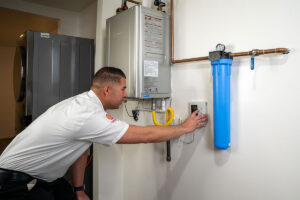

Late Winter Water Quality: Why Water Tastes Worse Before Spring
You’re not imagining it — your water really does taste different in late winter.
Between January and March, many Northern Nevada homeowners notice their tap water developing a flat, stale, or even slightly bitter taste. Some notice more sediment. Others find their skin is drier, their appliances scaling up faster, or their water heater making unfamiliar noises.
These aren’t random complaints. They’re predictable symptoms of a water supply system under seasonal stress — and your home’s water treatment equipment responding to it.
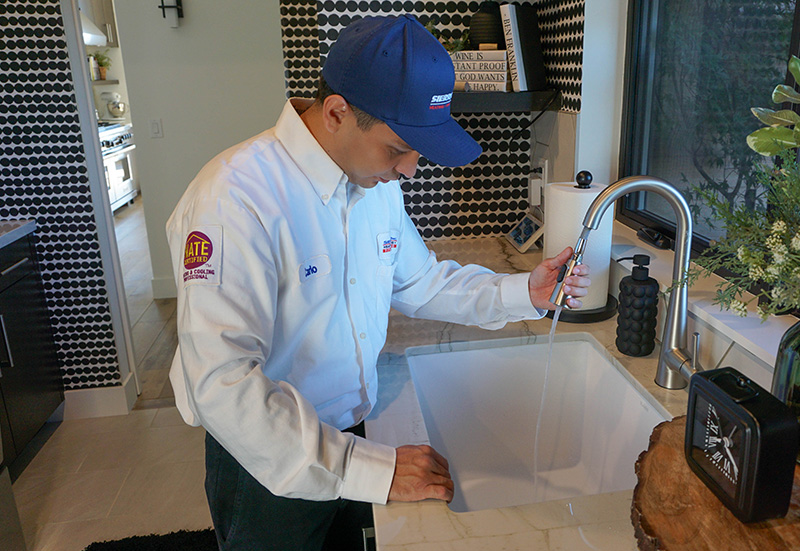
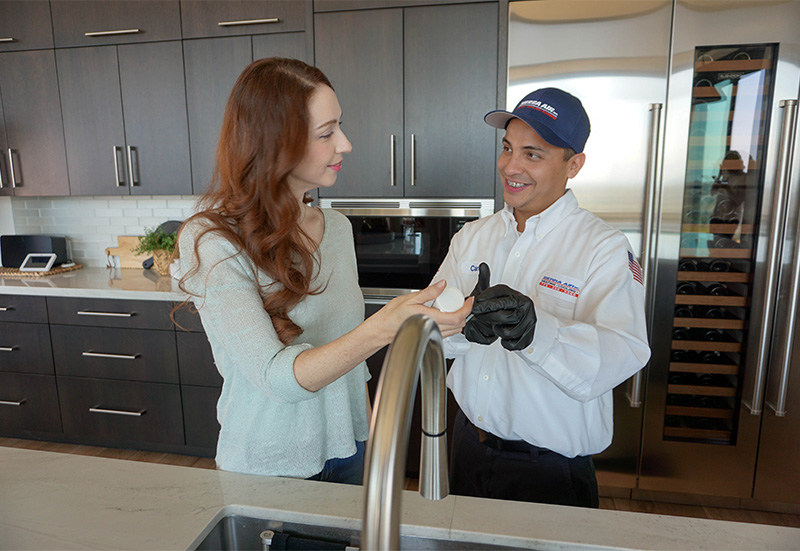
In Northern Nevada’s high-desert environment, these seasonal pressures are amplified by our already hard, mineral-rich water supply.
Why Late Winter Is the Hardest Season for Water Quality
Most people assume water quality issues happen in summer. But late winter — February through early March — creates a perfect storm of conditions that stress both municipal water supplies and home treatment systems:
- Snowmelt and runoff begin introducing surface contaminants into groundwater and reservoirs
- Water treatment plants increase chlorine and chloramine levels to combat seasonal bacteria and algae spikes
- Home filtration systems have been running continuously since fall and are approaching peak saturation
- Sediment and mineral buildup accumulates in pipes and water heaters after months of heavy use
- Low reservoir levels from a dry winter concentrate dissolved solids and minerals
6 Signs Your Late-Winter Water Quality Needs Attention
Don’t dismiss these as temporary seasonal quirks. Each one is a signal worth addressing before spring arrives.
1. Your Water Tastes or Smells Off
What you’re noticing: A flat, chemical, earthy, or slightly bitter taste — especially first thing in the morning
What’s not normal: Any taste strong enough to make you reach for bottled water instead of your tap
Why it happens in late winter:
• Water treatment facilities increase disinfectant levels as snowmelt introduces new bacteria and organic matter into the supply
• Chlorine and chloramine concentrations peak in late winter and early spring
• An exhausted carbon filter that was absorbing these chemicals all season suddenly stops keeping up
• Algae blooms begin in reservoirs even in winter, releasing natural compounds that affect taste and odor
The reality: A functioning water filtration system should be invisible — you shouldn’t taste or smell your water at all. If you do, your filter media is saturated and needs servicing.
2. White Scaling on Faucets, Fixtures, and Appliances
After months of heavy winter water use, mineral scale accumulates visibly and invisibly throughout your home.
What you’re seeing:
• White or yellowish crusty buildup around faucet aerators and showerheads
• Cloudy film on dishes and glassware even after washing
• Staining inside toilet tanks and bowls
• A white ring forming faster than usual in sinks and tubs
What’s happening inside your appliances:
• Scale is coating your water heater’s heating elements, forcing it to work harder and use more energy
• Your dishwasher’s spray arms are slowly clogging
• Your ice maker is producing smaller, cloudier cubes
• Coffee makers and kettles are losing efficiency
The reality: Every 1/4 inch of scale buildup on a water heater element increases energy consumption by up to 40%. Late winter is when that buildup has had all season to accumulate.
3. Your Skin and Hair Feel Different
The symptoms:
• Dry, itchy skin that moisturizer doesn’t seem to fix
• Hair that feels dull, brittle, or hard to manage
• Soap and shampoo that won’t lather properly
• Increased eczema or skin irritation flare-ups
• A filmy feeling on your skin after showering — like you can’t quite rinse off
Why late winter makes it worse:
• You’ve been bathing in hard water all winter, and the cumulative effect compounds over time
• Reno’s dry winter air combines with hard water to strip skin of natural moisture
• Higher chlorine levels in late winter water further dry and irritate skin
• A softener that’s been working hard all season may not be regenerating efficiently
The reality: Dry skin and hair in winter isn’t just about the weather. Mineral-heavy, high-chlorine water is a direct physical irritant — and one you can actually fix.
4. Your Water Softener Is Running More Frequently
If you’ve noticed your softener regenerating more often, going through salt faster, or running cycles at unusual times, that’s not a malfunction — it’s a symptom.
Why this happens in late winter:
• Incoming water hardness increases as reservoir levels drop and mineral concentrations rise
• Your softener’s resin beads have been exchanging ions continuously since fall and may be exhausted or fouled
• Iron content tends to increase in late winter, which clogs resin beads and reduces softening capacity
• Sediment from seasonal pipe disturbances can foul the resin bed
What this leads to:
• Hardness “breakthrough” — hard water passing through a softener that can no longer keep up
• Wasted salt from inefficient regeneration cycles
• Potential resin bed damage that shortens the system’s lifespan
The reality: A water softener that’s struggling in late winter isn’t protecting your appliances, pipes, or plumbing the way it should be.
5. Reduced Water Pressure Throughout the Home
What you’re noticing: Showers that don’t feel as strong, faucets that seem slower, or appliances taking longer to fill
Common late-winter causes:
• Sediment flushed into supply lines from seasonal ground movement and snowmelt
• Scale buildup narrowing pipe diameter over time — late winter is when buildup peaks
• Clogged whole-house sediment pre-filters that haven’t been serviced since fall
• Restricted flow through a water softener with a fouled resin bed or clogged injector
What people often overlook:
A pre-filter sediment cartridge has a finite capacity. If yours was installed last spring, it has been filtering all summer, fall, and winter without a change — and may now be so restricted it’s acting like a flow restrictor rather than a filter.
The reality: Reduced pressure is the most visible sign of a water treatment system that’s overdue for service.
6. Your Water Heater Is Louder Than Usual
Popping, rumbling, or cracking sounds coming from your water heater in late winter are a classic sign of sediment and scale accumulation reaching a critical point.
What those sounds mean:
• Popping or rumbling: Sediment has settled and is trapping water near the heating element, causing steam pockets to burst
• Cracking or ticking: Scale on the heating element is expanding and contracting with temperature cycles
• High-pitched whining: Scale constriction around elements or pressure fluctuations from mineral buildup in inlet valves
Why late winter is the tipping point: A water heater accumulates sediment gradually. By February, a unit that wasn’t flushed last spring has had nearly 12 months of buildup. Heating efficiency drops, recovery times slow, and the risk of premature failure rises significantly.
The reality: A tankless water heater flush and descale service now can add years to the unit’s lifespan and meaningfully reduce your energy bill.
The Hidden Cost of Waiting Until Spring
“I’ll get to it when the weather warms up” is the most expensive sentence in home maintenance. Here’s what accumulates while you wait:
Appliance Damage
Every month of untreated hard water shortens the lifespan of your dishwasher, water heater, washing machine, and coffee maker. Scale repair and premature replacement costs dwarf the price of routine water treatment service.
Filter Media Breakdown
An overloaded carbon filter doesn’t just stop working — it can begin releasing previously captured contaminants back into your water. Waiting too long past a filter’s service life can temporarily make water quality worse than having no filter at all.
Rising Energy Bills
Scale-coated water heater elements and softeners running inefficient regeneration cycles both drive up utility costs month over month. Late winter service typically pays for itself within a billing cycle or two through recovered efficiency alone.
Real Customer Story
“Every February our water would start tasting almost metallic and our showers felt like we couldn’t rinse off. We assumed it was just winter. Sierra Air came out, tested our water, and found our softener resin was completely fouled with iron — it had basically stopped working. One service call later, our water tasted better than it had in years. Turns out we’d been living with bad water for two winters and didn’t know it.”
Need Professional HVAC or Plumbing Help?
Our expert technicians are ready to assist you with any heating, cooling, or plumbing needs.